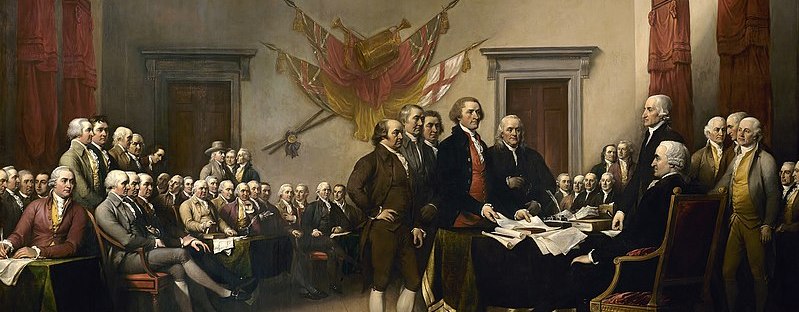
Madeira Mondays: America’s 250th Birthday, Independence Revisited

I’ve got a sneaking suspicion that a lot of Americans don’t know why we celebrate the 4th of July. And I get it. You learn about American history in school and then life gets going and some of those details just fall away. Maybe you vaguely remember some stuff, but not a lot. And, after all, it’s easy for things that happened hundreds of years ago not to feel very relevant in our day to day lives.

But the truth is that history is always relevant, and America’s founding, and the documents it produced, have a direct impact on the lives of everyone who lives in that country (and, I would argue, anyone living in a democracy in the modern world).

When I started this blog (like seven years ago?!), one of my goals was to get people excited and interested in this period of history, which always fascinated me so much! The last year or so I haven’t written too many “Madeira Mondays” and that is in part because of major new career developments that I can’t yet talk about (hopefully soon!). My head and my heart has not been in the 18th century. Pair that with the fact that I’ve just been so sad about a lot of America’s current political climate (see my post on John Donne), that I’m still not quite sure where to take this blog. As this new chapter of my writing life opens up, I’m figuring it out.

In the meantime, I wanted to share with you a look back at some of my favorite posts from the last seven years about America’s founding and independence. It felt wrong to not share anything in honor of the 250th! So here are my top five posts about the topic. A “Best of” list, if you will!

Since I live in Scotland, I was feeing homesick this holiday and missing neighborhood BBQs, parades, etc. Although admittedly not the heat.

Anyway, I hope that you had a lovely 4th of July if you are in the the US and celebrate it, and that one of these posts inspires you to learn more about this complex, turbulent, inspiring, and endlessly interesting period of history.
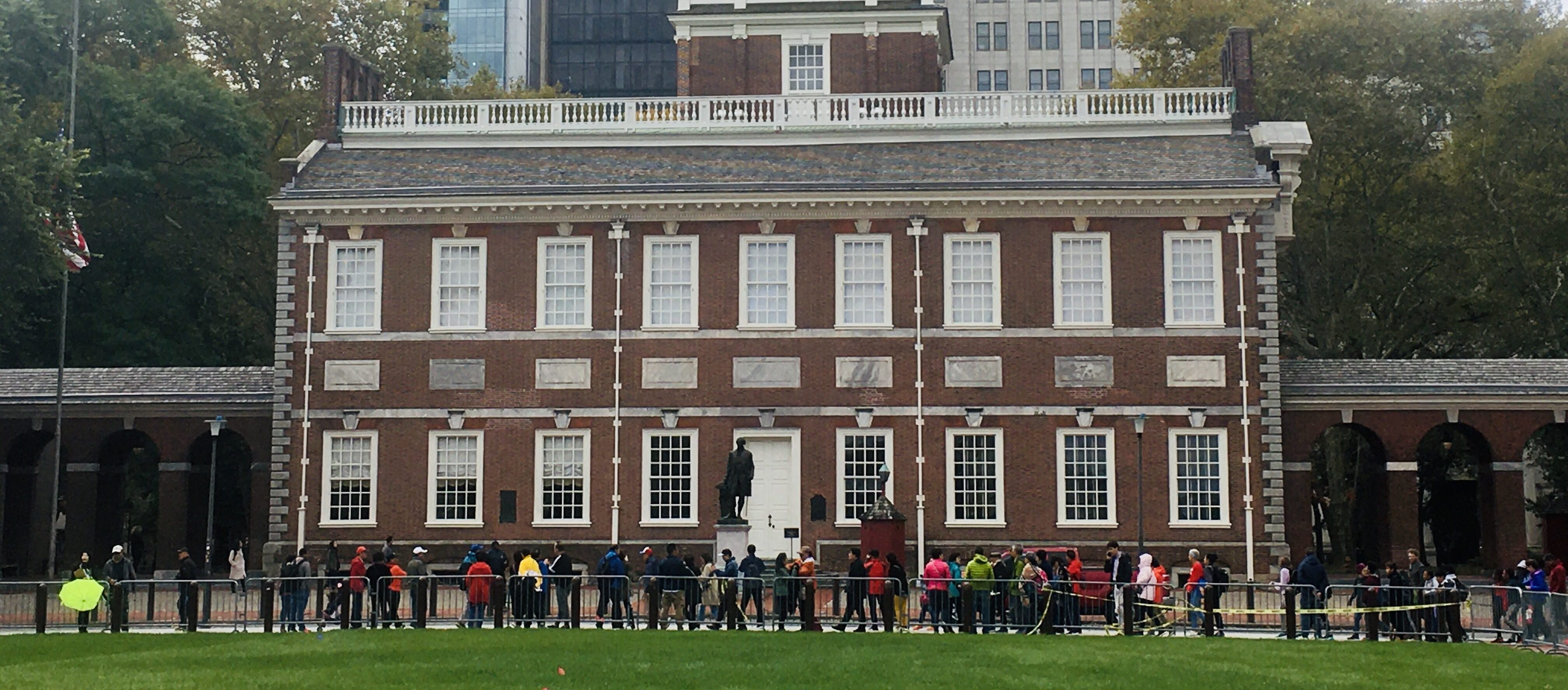
Independence Hall in Philadelphia, from when I visited in 2019

1: The John Adams TV Series

We’re going back to the beginning! One of my earliest posts about one of my favorite depictions of this time period of America’s founding: The HBO John Adams miniseries starring Paul Giamatti and Laura Linney! Part of my PhD actually looked at different pop culture representations of one real historical figure (Adams) in different eras.

(I’d highly recommend Episode 2: Independence from this miniseries, as it gives a great sense of what a Big Deal it was for a group of colonies to declare their independence from Great Britain)

Giamatti and Linney in their iconic roles as John and Abigail Adams

And if you’re interested in break-downs of historical fiction films, check out my look at The Patriot.

2. The Poetry of Phillis Wheatley

A lot of people haven’t heard of Wheatley (though she was famous in her day!), and this post in honor of her birthday explores her unique position in American literature as a young African-American woman in colonial America who was also an internationally famous poet.

3. Colonial Fashion on RuPaul’s Drag Race

One of the queens dressed up as a redcoat soldier and I had to talk about it! (If you wanna see me dressed up like John Adams, there is also a photo of that in this post haha!).

5. Tracy K. Smith’s poem ‘Declaration’

Probably the most read blog post from my “Madeira Mondays” series and one of the ones I’m the most proud of! An analysis of the poem “Declaration” by Tracy K. Smith. It also features an explanation of what the Declaration of Independence was (that’s what the Continental Congress signed on July 4th “declaring independence” from Great Britain). If you need a refresh on why we celebrate 4th of July, start here!

6 (Bonus post!). The best songs in 1776

I was going to only choose 5 posts, but I had to include this one too. It’s about one of my favorite musicals: 1776!
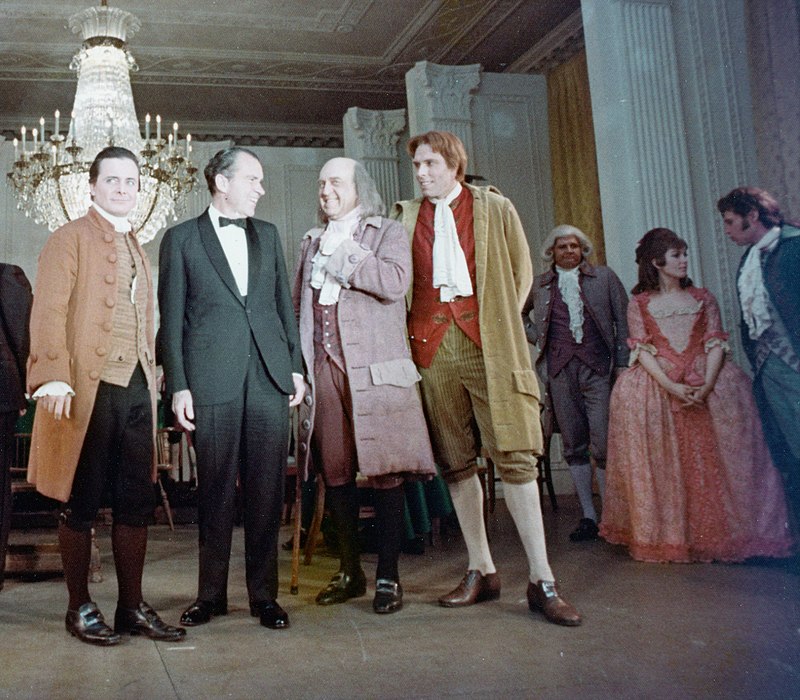
The cast from 1776 meeting Richard Nixon at the White House, everyone looking just a little bit awkward

And there you have it, folks! If you’ve been reading the blog for years – thank you! If you’ve just dropped in for this post, thank you! There is a big archive that you can explore…

You can follow the blog (I’m thinking I’ll still do history content, but maybe different eras…) and/or follow along with my literary endeavors either on my quarterly newsletter or on my new Instagram account: @goodgriefcarlybrown

And a happy belated 4th of July!

PS Today’s featured image is John Trumbull’s famous painting depicting the signing of the Declaration of Independence.

Madeira Mondays: Yellow Fever in Colonial Philadelphia

“The horrors of this memorable affliction were extensive and heart rending.” – Samuel Breck, 18th century merchant, on Philadelphia’s 1793 yellow fever epidemic

In mid August, 1793, the first Philadelphian died from what would become a devastating epidemic of yellow fever. By the end of October, the city had lost nearly 5,000 people – 10% of the entire population.

In the last Madeira Mondays, we looked at 18th century medicine in general – how people thought diseases spread and what they did to try and fight them – and this week we’re going to be diving into how that looked in practice with one specific and fascinating example: Philadelphia’s infamous yellow fever outbreak.

What was the disease? Who were the major players trying to combat and contain it? And how did it change the city afterwards? Continue reading

Madeira Mondays: Fever, 1793 (Book Review)

Ever since Covid-19 broke out across the world, there’s been a lot of talk about the Spanish Flu pandemic of 1918. I’ve also heard historians, especially medievalists, called upon to talk about the bubonic plague of the 1300’s, and I’ve seen Daniel Defoe’s 1722 book, A Journal of the Plague Year, added to many people’s reading lists! All of this makes sense. People are curious about pandemics of the past and how people coped (spiritually, physically, psychologically) with rampant infectious diseases.

That curiosity is what drove me to read Fever, 1793 by Laurie Halse Anderson. This is a YA (Young Adult) novel published originally twenty years ago, but it definitely has a lot of relevance today. It’s about an epidemic that you may not have heard of: the outbreak of yellow fever in Philadelphia in 1793. Continue reading

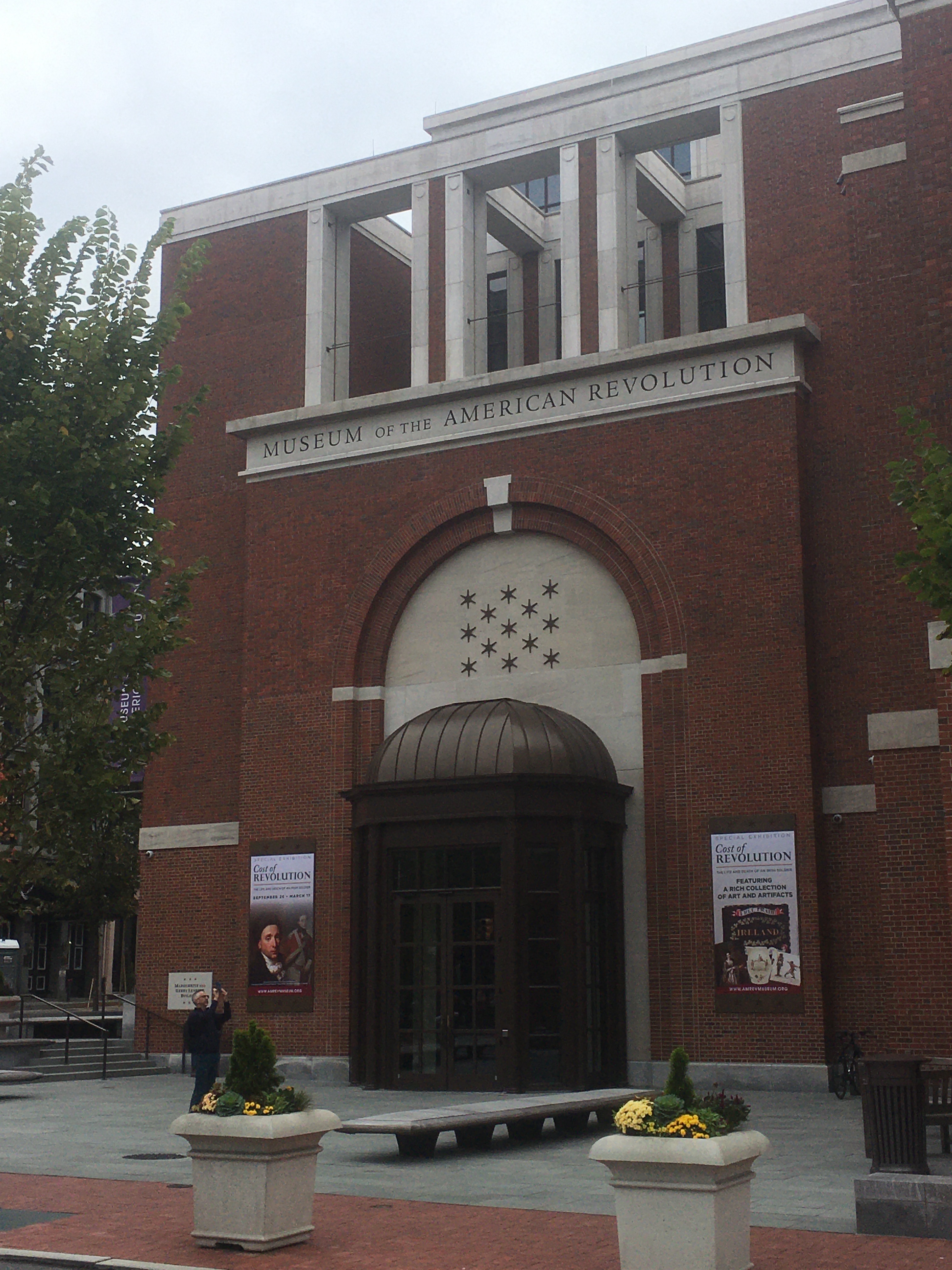
Madeira Mondays: A Visit to the Museum of the American Revolution

I have wanted to visit the Museum of the American Revolution ever since I saw this CBS special about it. The museum opened very recently (2017) and last month, during my first ever visit to Philadelphia, I finally managed to stop in and see it for myself!

IMG_9426

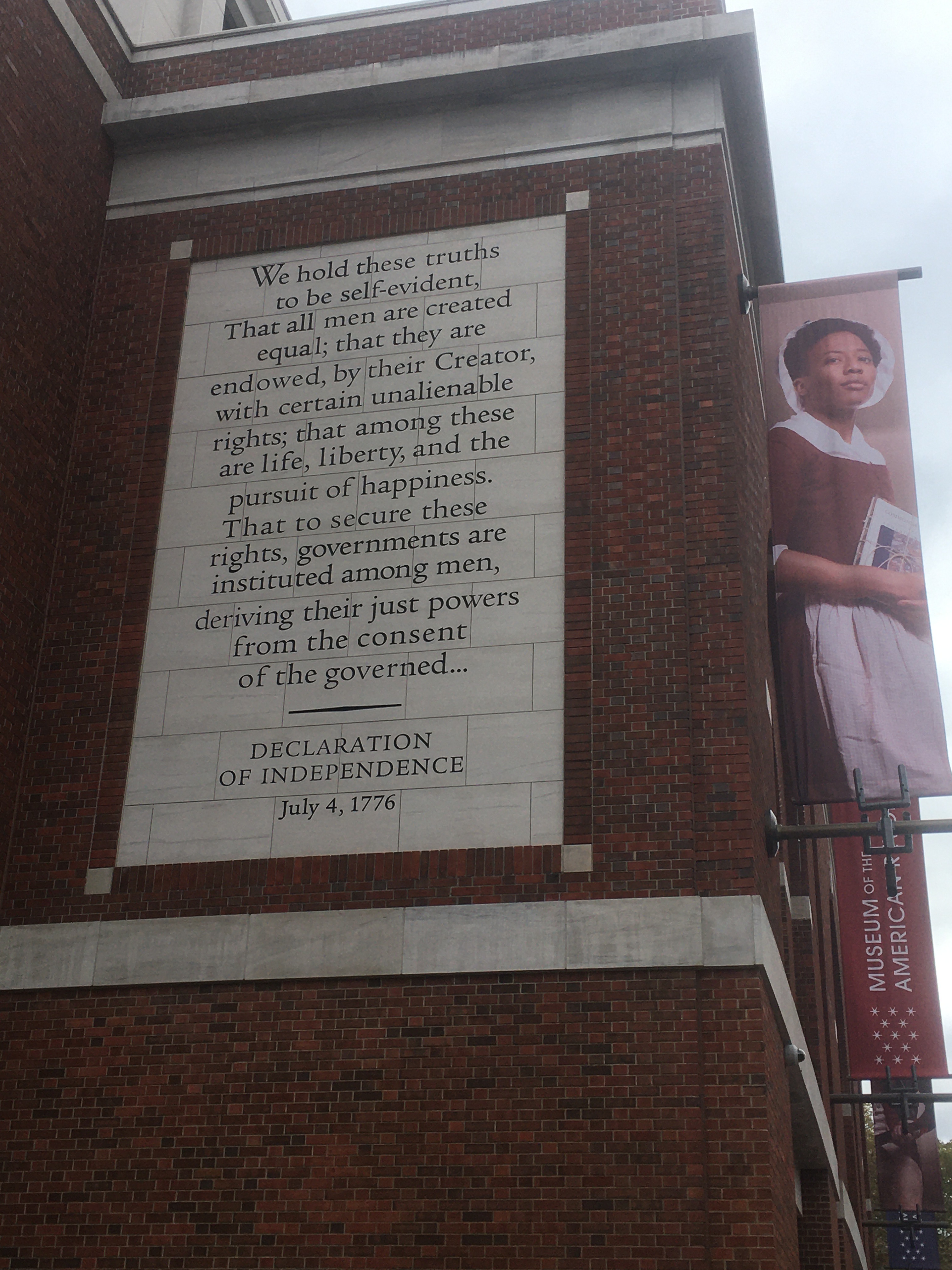
It’s an enormous undertaking, trying to present the entire Revolutionary War (plus its lead up and its aftermath) to visitors. Some of those visitors (like myself) might know a fair amount about this period already, but some might be learning about it for the first time. From the look of it during my visit, it seems to be a popular place to take school groups, but it’s also right by Independence Hall and all the other major Revolutionary War sites in Philly so I imagine it attracts all sorts of tourists and visitors, both local and international. Overall I think the museum does a really great job of presenting the war from various different perspectives (political, racial, geographical, etc.) and conveying that this was a complex conflict and not matter of ‘good guys’ and ‘bad guys’. I actually heard one of the tour guides saying to a group of what looked like eight or nine-year-old school kids, ‘Now what did I say at the beginning of the tour? The Revolution was nuanced.’ Even using the word nuanced with kids of that age made me smile and made it clear just how committed the museum was to trying to tell a multifaceted a story of the Revolution.

IMG_9428

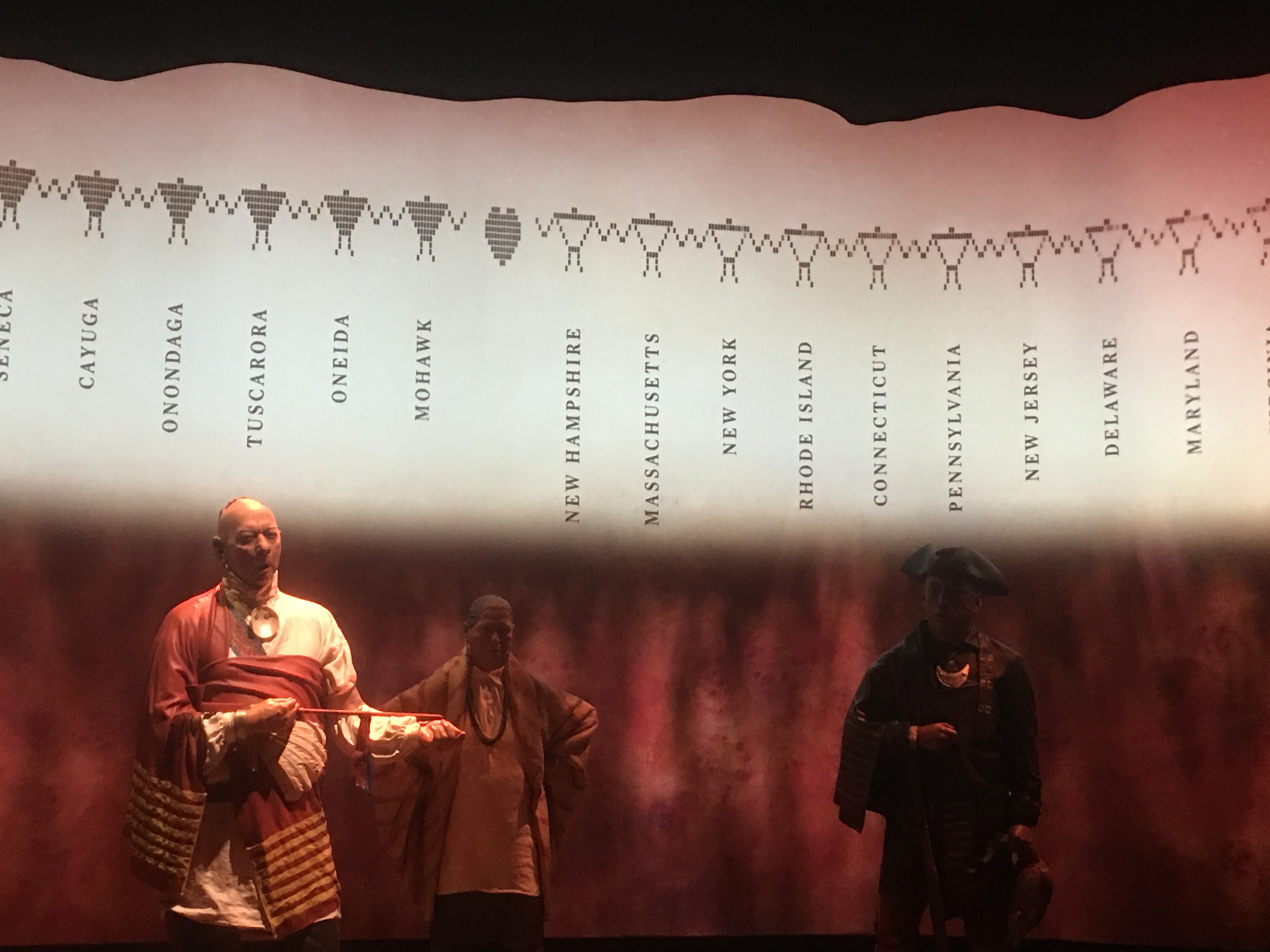
Of course the Revolutionary War was experienced differently by everyone who was alive during that time, but I think they did a relatively good job of exploring some underrepresented perspectives that I certainly wasn’t taught at school: the dilemmas of the people of the Iroquois nations deciding which side of the conflict to align themselves with, for instance. There is also some exploration of how many enslaved men ran away to join the British army in exchange for their freedom.

IMG_9459

Dramatic display inside the museum about the people of the Oneida nation deciding who to ally themselves with

Overall it is a very battle centered museum – the rooms are basically arranged to explore chronologically the different military campaigns. Since I’m more interested in social history (a fancy way of saying ‘how people lived’) and day to day life for women at home during this period, it didn’t appeal to me as much. But I also recognize that those are my particular interests. The Revolutionary war was a war, after all, so I imagine many people are primarily curious about the different battles and military engagements. It’s just not my cup of tea.

That being said, there was still lots for me to see and enjoy there. Here are a couple of things that stood out to me as particular favorites from my visit.

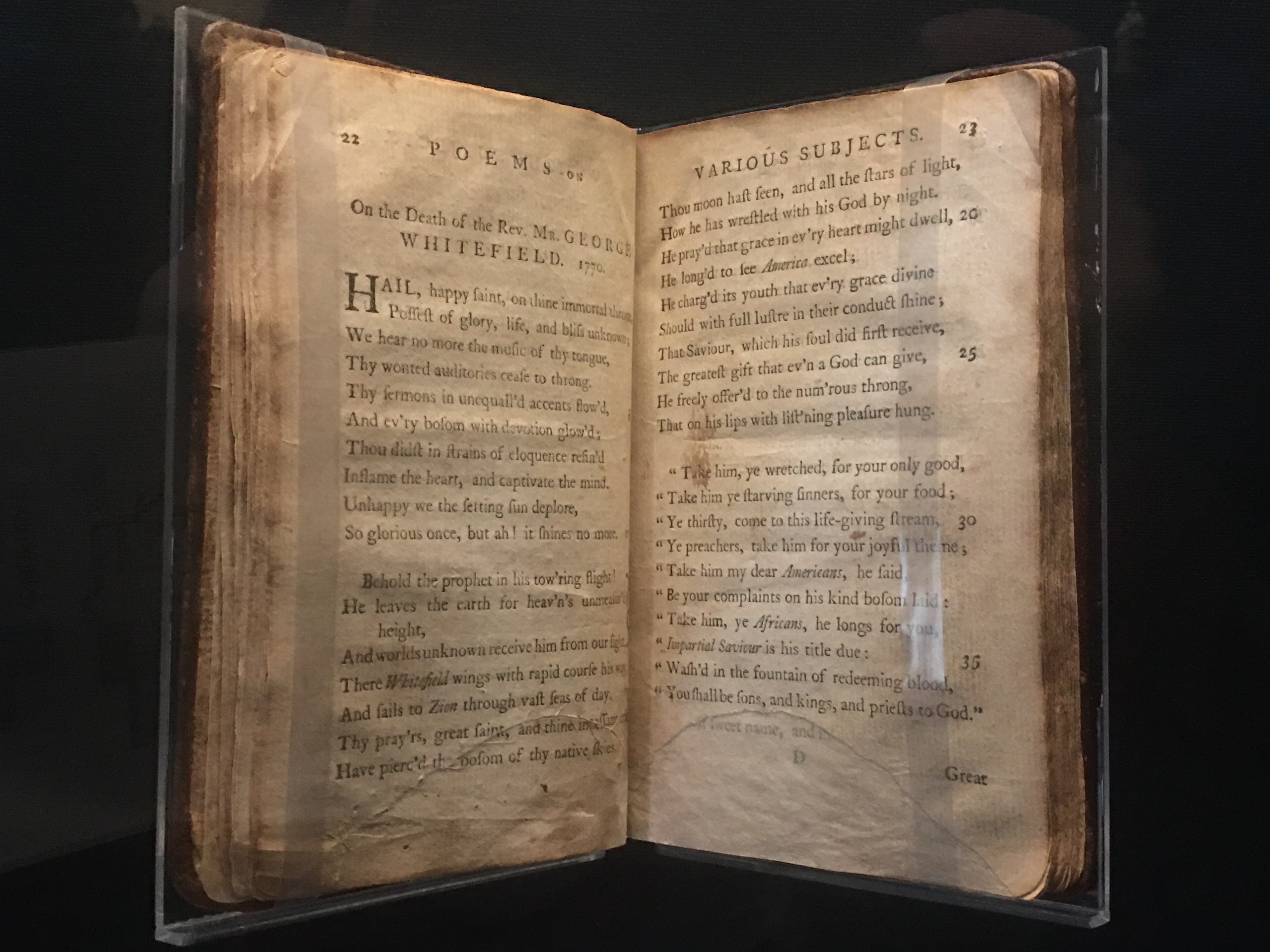
Phillis Wheatley book: They had a signed first edition of the first published book of poetry written by an African American woman, Phillis Wheatley. Wheatley is a fascinating historical figure in American history and literature (a blog post about her is forthcoming!). She was born in West Africa, but forced into slavery as a child and transported to North America. She learned to read and write from the Boston family she served and ended up becoming a famous, celebrated poet in her day.

IMG_9434

Phillis Wheatley’s book Poems on Various Subjects, Religious and Moral, 1773

George III statue fragments: The book that I’m working on is set in colonial New York, so it was really cool to see two original fragments of the statue of King George III that was pulled down in NYC on July 9, 1776. I also learned that based on the fragments, it’s been concluded that the statue featured George III in a Roman-style toga, which I had not known before and actually impacted a scene in my book! (Fun fact: Most of the lead from the statue was melted down into musket balls by the Continental army during the war).

Toy broom and toy platter: I liked seeing the itty-bitty toys excavated from British Revolutionary Campsites around New York City, reminders that the children of British soldiers were going around with the army in North America. I’ve never seen little pewter toys like this before and it was a charming sight.

‘Women’s Property and War’ display: Something that a lot of people don’t know is that after the Revolution, there were ‘confiscation’ laws passed and the new government started seizing the property of those who had remained loyal to the King. A lot of my PhD was looking at the experiences of women in South Carolina who suffered during and after the war because of their husbands’ politics and who lost their property due to these laws. This display featured furniture pieces similar to the furniture that was confiscated from the Drinker family (Philadelphia Quakers who tried to remain neutral during the war). I’ve read Elizabeth Drinker’s diary, and obviously have a lot of personal interest in this topic, so I was happy to see this particular display, although I would have been happy with even more about it.

Tea: I’m a big fan of incorporating multisensory displays at museums and there was a box where you could smell one of the varieties of tea that was thrown into the Boston Harbor during the tea party. (It was black and green tea thrown overboard).

IMG_9438

The mirrors at the end: When you’re leaving the exhibition there’s a big mirror and it says ‘Meet the future of the American Revolution’ at the top. It’s a very sweet visual reminder of our connection with the past and I really like the idea of school kids peering up at themselves and seeing themselves as part of this story. (Did I tear up a bit? Yes. Yes I did).

So overall it was absolutely worth a visit and if you’re in Philly you could quite easily tie it in with a visit to Independence Hall and the Liberty Bell. You’ll leave with a really clear sense of what led to the Revolutionary War, as well as the key moments and battles. There’s also a rotating exhibition on the ground floor, so do have a look at what is on there when you visit.

Thanks for reading and I hope that it’s helpful for anyone considering a visit! Museums like this always make me think of the tremendous challenge of communicating such a sprawling conflict to people and this museum did a good job. And let me know, if you’ve been already, what you thought of the Museum of the American Revolution – I’d be very curious.

See you next Monday!

‘Madeira Mondays’ is a series of blog posts exploring Early American history and historical fiction. I’m not a historian, but an author and poet who is endlessly fascinated by this time period. I am also currently writing/researching a novel set during the American Revolution and recently finished a Doctorate of Fine Art looking at how creative writers access America’s eighteenth-century past. Follow the blog for a new post every Monday and any questions or suggestions feel free to get in touch.