I used to think that the Elizabethans had the best swear words. Shakespeare in particular really knew how to pen a vivid and hilarious insult: ‘Beetle-Headed, Flap Ear’d Knave’ ‘Canker-Blossom’ ‘A Fusty Nut with No Kernel’! But after reading The Dictionary of the Vulgar Tongue by Francis Grose (1811), I’m now convinced that the Georgians might very well have had the best slang words and insults.
If you missed my first blog post about The Dictionary of the Vulgar Tongue, this book is basically a compendium of 18th century slang, which ranges from the mild to the extremely crude. In that post, I went through some of my favorite words, from Letters A-F. This time, I’ll be choosing ones from G-M, with some added commentary from me in italics for good measure.
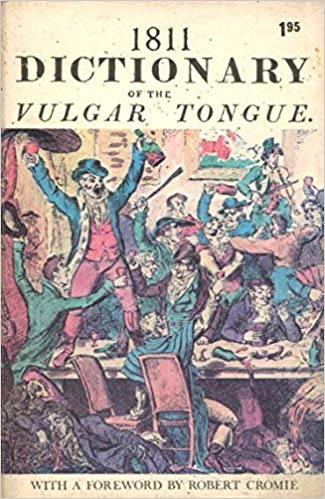
Cover from recent (1980’s) edition of Dictionary of the Vulgar Tongue
The book is an entertaining read for those who want a peek at the saltier side of life for our 18th, and early 19th, century pals. So I hope that you enjoy these words from Grose’s peculiar ‘dictionary’ and special points to you if you manage to work any of them into conversation:
GALIMAUFREY. A hodgepodge made up of the remnants and scraps of the larder. (In all honesty, I just added this one because I like the look of the word and we don’t really have a word for this now, although we still do it, throwing together scraps/leftovers into a hodgepodge sort of meal.)
GAPESEED. Sights; any thing to feed the eye. I am come abroad for a little gapeseed. (I liked this one because the idea of ‘feed(ing) the eye’ is an interesting and bizarre mix of the two different senses…)
GIFTS. Small white specks under the finger nails, said to portend gifts or presents. (Okay, what?! Not only had I never really taken notice of those ‘small white specks’ under fingernails, although I think I know what they mean, but I had no idea they used to be thought good luck!)
GINGERBREAD. A cake made of treacle, flour, and grated ginger; also money. He has the gingerbread; he is rich. (‘He has the gingerbread!’)
GREEN. Doctor Green; i.e. grass: a physician, or rather medicine, found very successful in curing most disorders to which horses are liable. My horse is not well, I shall send him to Doctor Green. (There was something charming and kind of sassy about this one. ‘This horse looks pretty bad, Bill. Should we send for a physician?’ ‘Nah, let’s just send him to Doctor Green.’)
GRUMBLETONIAN. A discontented person; one who is always railing at the times or ministry.
HALF SEAS OVER. Almost drunk. (This book contains SO many words for different states of inebriation. It has words to describe being a little drunk, somewhat drunk, and entirely drunk. No matter what your state of drunkenness, don’t worry, there was a word for that!)
HICKENBOTHOM. Mr. Hickenbothom; a ludicrous name for an unknown person, similar to that of Mr. Thingambob.
MONKS AND FRIARS. Terms used by printers: monks are sheets where the letters are blotted, or printed too black; friars, those letters where the ink has failed touching the type, which are therefore white or faint. (This one was just interesting and kind of enlightening about problems that early modern printers had getting their print exactly right.)
POMPKIN. A man or woman of Boston in America: from, the number of pompkins raised and eaten by the people of that country. Pompkinshire; Boston and its dependencies. (I have a hard time telling if this is pejorative or not? I guess mildly so? But I just like the idea that there were so many pumpkins (which was a New World food) in America that people from Boston were called ‘pumpkin’! I also like the fact that it’s a term of endearment now.)
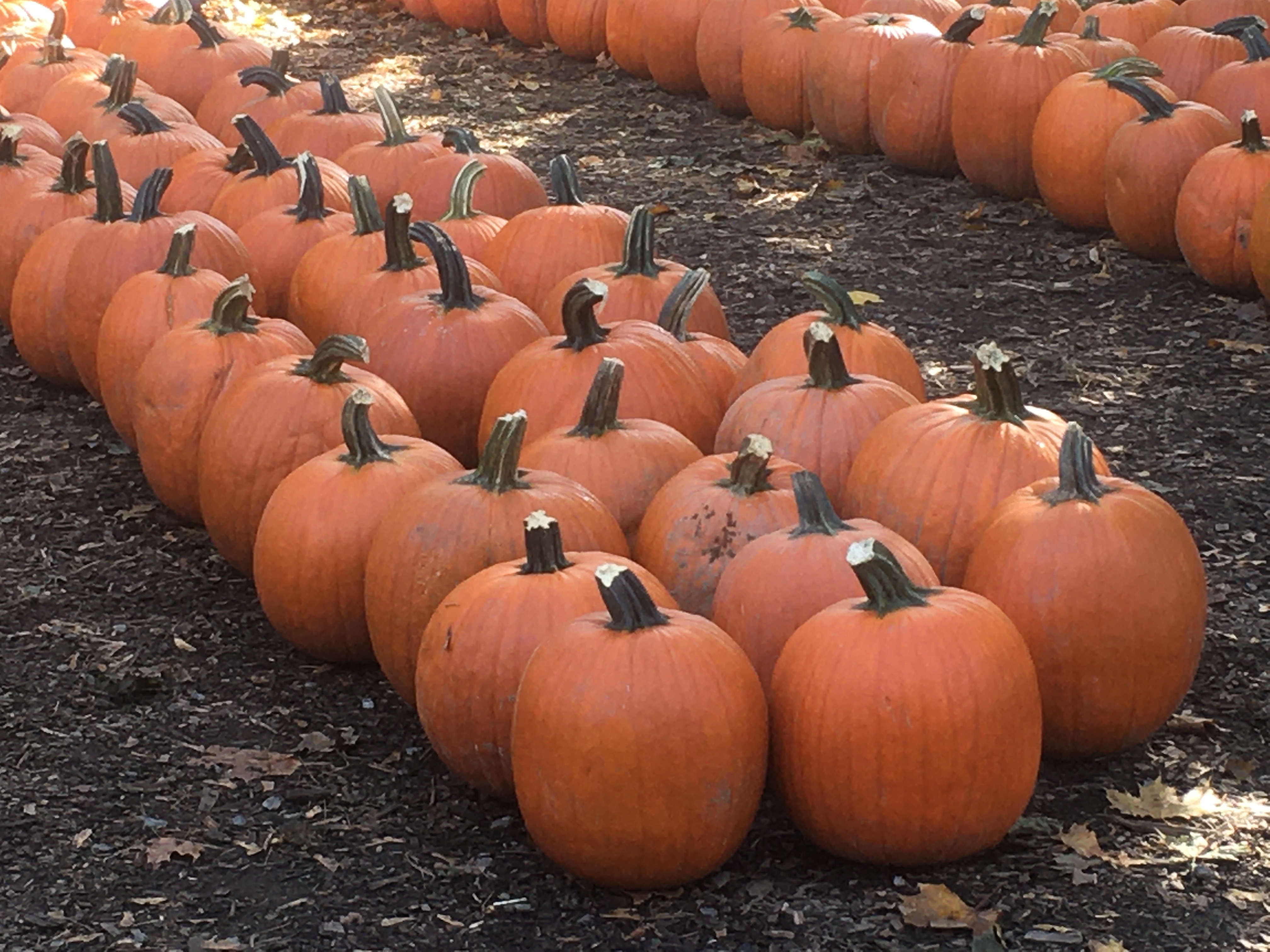
Taken on a recent trip to Boston where there were, in fact, many pumpkins!
*
Thanks for reading and stayed tuned for future posts when more silly, confusing, and fascinating historical slang words will be revealed!
PS Who is the dashing gentleman pictured in the Featured Image? He is 18th century English explorer James Cook, painted onto the wall of the bar at Brew York Beer Hall in York, England. (At least, that’s what I remember the bar staff telling me. I visited a few months ago and I may have been ‘half seas over’ when I spotted him!)
Madeira Mondays is a series of blog posts exploring Early American history and historical fiction. I’m not a historian, but an author and poet who is endlessly fascinated by this time period. I am also currently writing/researching a novel set during the American Revolution and recently finished a Doctorate of Fine Art looking at how creative writers access America’s eighteenth-century past. Follow the blog for a new post every Monday and thanks for reading!


 Carly Brown